The Ultimate Road Trip Planning Guide: Routes, Gear, Budget, and Real-World Tips That Actually Work

Why Most Road Trips Go Sideways (and How to Avoid It)
Most road trips don’t fail because of bad destinations—they fail because of poor planning. Too many miles packed into one day, no backup campsites, or realizing too late that your “quick detour” adds three hours. The difference between a stressful grind and a memorable trip comes down to a handful of decisions you make before you even turn the key.
This guide is built from what actually works on the road: realistic pacing, flexible planning, and gear that earns its space. If you want a trip that feels effortless (even when it isn’t), start here.
Step 1: Build a Route That Breathes
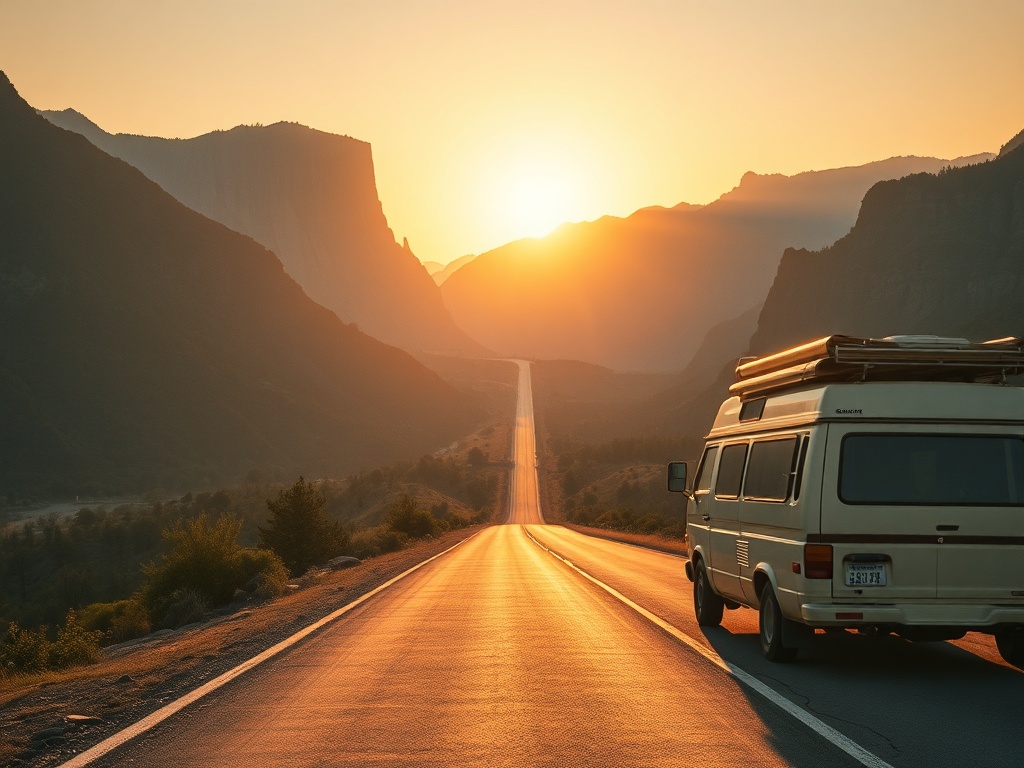
Start with anchor points—not a minute-by-minute itinerary. Pick 2–4 major stops you actually care about, then connect them with routes that leave room for detours.
How to Structure It
- Daily driving cap: 4–6 hours max. Anything more becomes a chore.
- Every third day: Plan a low-driving or zero-driving day.
- Buffer time: Add 20–30% more time than mapping apps suggest.
Good routes feel loose. You should be able to stop at a roadside diner, hike an unexpected trail, or reroute around weather without blowing up your entire plan.

Step 2: Choose the Right Type of Stops
Not all stops are equal. You need a mix to keep the trip from feeling repetitive.
Use This Mix
- Destination stops: National parks, iconic viewpoints, major cities
- Recovery stops: Chill towns, lakes, or campsites where you do almost nothing
- Wildcard stops: Weird roadside attractions, scenic pull-offs, local tips
Stacking only “must-see” destinations leads to burnout. The recovery stops are what make the big moments enjoyable.

Step 3: Lock in Sleep Before Anything Else
If your sleep situation is shaky, the whole trip suffers. Decide early how you’ll handle nights.
Your Options
- Campgrounds: Reliable but often require reservations
- Dispersed camping: Free, flexible, but requires research
- Hotels/motels: Expensive but easy
- Car/van sleeping: Maximum flexibility, requires setup
Always have a Plan B. Campsites fill up, weather shifts, and sometimes you just want a real shower.

Step 4: Pack Like You’ll Use It (Because You Won’t Use Most of It)
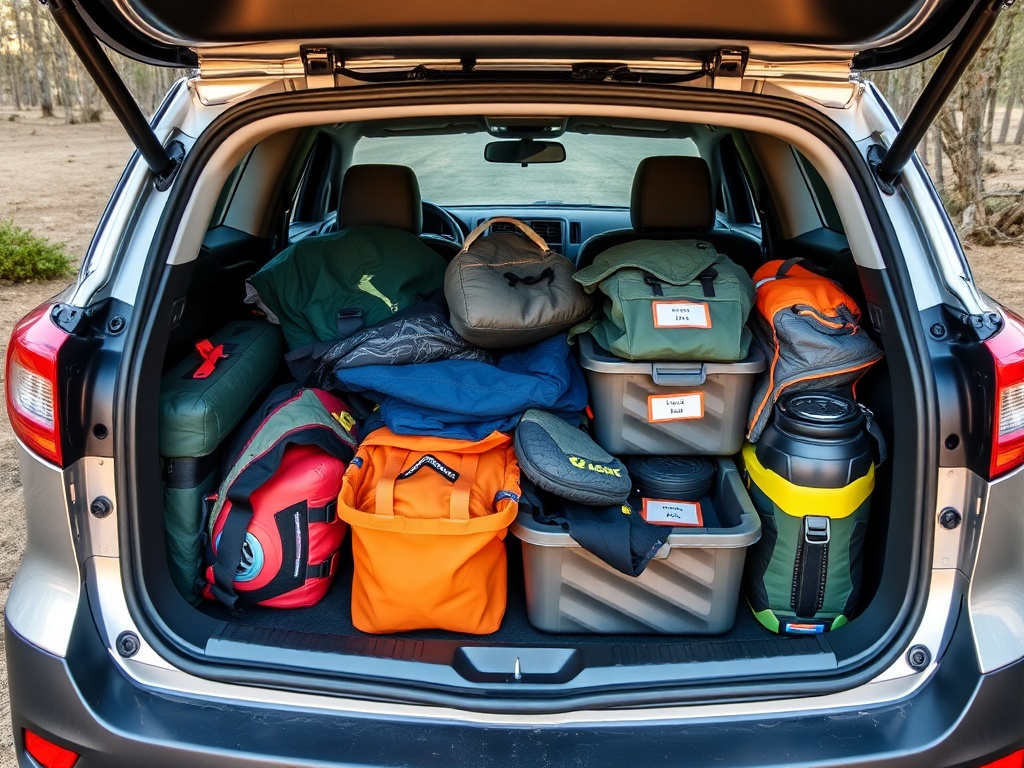
Overpacking is the most common mistake. Every item should earn its place.
Core Gear That Actually Matters
- Sleep system (tent or mattress, sleeping bag)
- Cooking setup (simple stove, one pan, one pot)
- Water storage (at least 4–8 liters per person)
- Lighting (headlamp > flashlight)
- Cooler or fridge
What to Skip
- “Just in case” duplicates
- Bulky cooking kits
- Too many clothes (you’ll re-wear more than you think)
If it doesn’t get used in the first two days, it’s probably dead weight.
Step 5: Build a Realistic Budget
Road trips can be cheap—but only if you’re intentional.
Major Costs to Plan For
- Fuel: Your biggest variable expense
- Food: Eating out adds up fast
- Accommodation: Campsites vs hotels
- Park fees: National/state park entry costs
How to Keep Costs Down
- Cook at least one meal per day
- Mix paid campsites with free options
- Avoid last-minute bookings in tourist areas
A simple trick: track spending daily. It keeps you honest without killing the vibe.

Step 6: Food Strategy That Doesn’t Burn You Out
Food can either anchor your day or become a constant hassle.
Keep It Simple
- Breakfast: quick and repeatable (oats, eggs, coffee)
- Lunch: snacks or sandwiches on the go
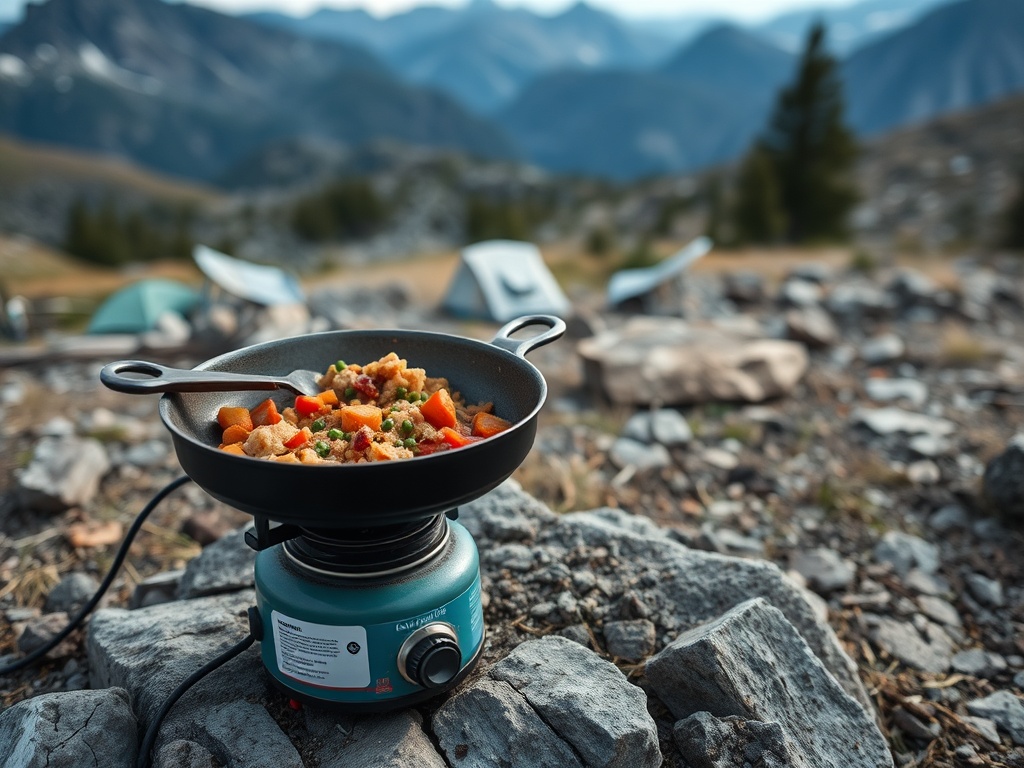
- Dinner: one-pot meals or grilling
Don’t try to cook elaborate meals every night. You’ll get tired, and cleanup becomes a chore.
Step 7: Navigation and Offline Planning
Signal disappears exactly when you need it most. Plan for that.
- Download offline maps before leaving
- Screenshot campsite details and directions
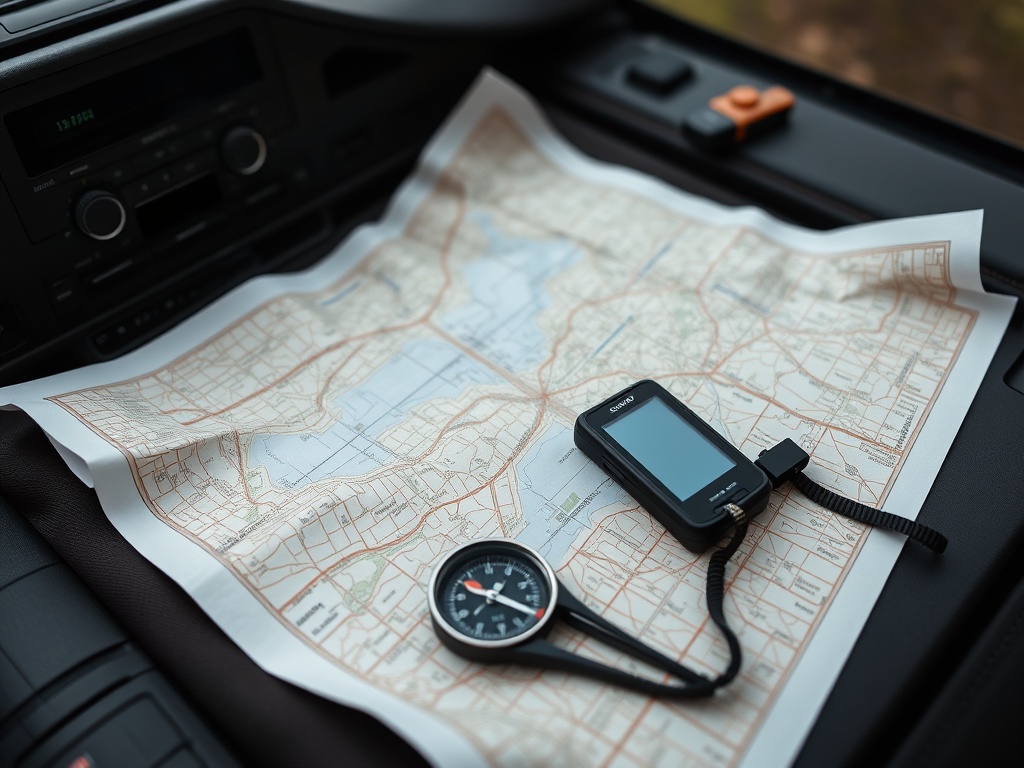
- Carry a physical map as backup
Relying entirely on live navigation is a gamble, especially in remote areas.
Step 8: Expect Things to Go Wrong
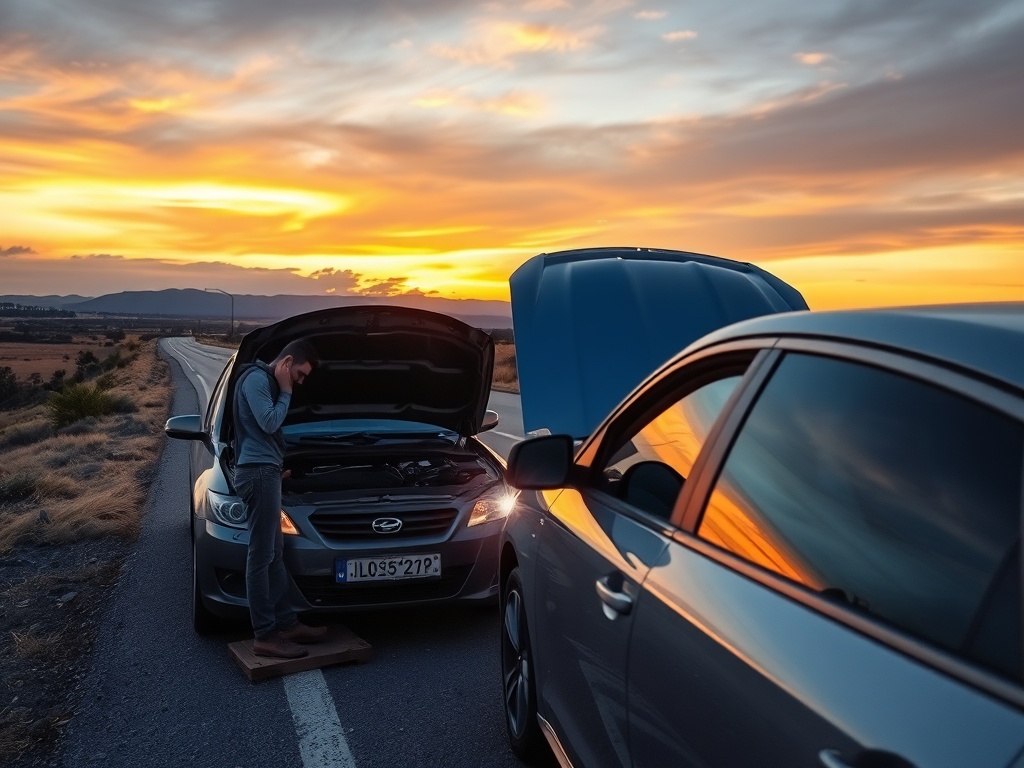
Flat tires, weather changes, closed roads—it’s part of the experience.
What Helps
- Basic emergency kit
- Flexible mindset
- Extra day built into your schedule
The best trips aren’t the ones where nothing goes wrong—they’re the ones where problems don’t ruin the trip.
Step 9: The Small Decisions That Change Everything
These are the details people overlook—but they matter.
- Start driving early to avoid crowds
- Fuel up before entering remote areas
- Keep your car organized daily
- Respect your energy levels—don’t push through exhaustion
None of these are exciting. All of them make your trip smoother.

Step 10: Leave Room for the Trip to Surprise You
The best moments rarely come from your original plan. They come from conversations, wrong turns, and spontaneous stops.
If your schedule is too tight, you won’t notice them—or worse, you’ll skip them.
Plan enough to feel confident, but not so much that you miss what’s right in front of you.

Final Take
A good road trip isn’t about squeezing in the most destinations—it’s about building a rhythm that works. Drive less than you think, pack lighter than you want, and stay flexible when things shift.
Do that, and the trip almost takes care of itself.