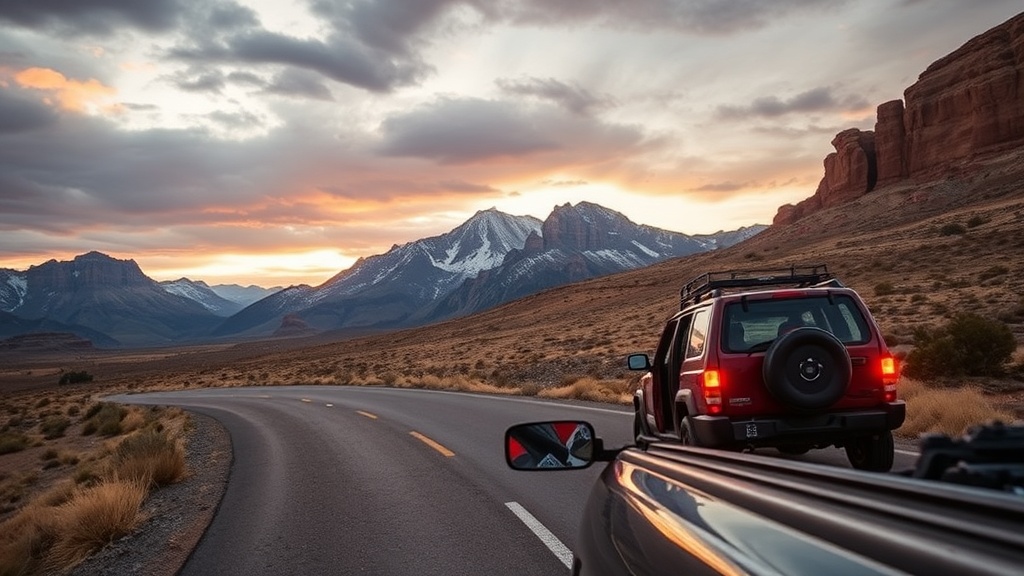
How to Plan an Unforgettable Cross-Country Road Trip on a Budget

A cross-country road trip doesn't have to drain the savings account. This guide breaks down exactly how to plan an unforgettable journey from coast to coast while keeping costs under $2,500 for two weeks on the road. From fuel-saving route strategies to free camping spots and meal planning that actually works, every tactic here has been road-tested by budget travelers. Whether the goal is hitting every national park or simply finding freedom on the open highway, smart planning makes the difference between a financial headache and the adventure of a lifetime.
How Much Does a Cross-Country Road Trip Actually Cost?
Expect to spend between $2,500 and $5,000 for a two-week journey, depending on vehicle choice, accommodation preferences, and dining habits. The biggest variables? Gas, lodging, and food—typically in that order.
Here's a realistic breakdown for a 4,000-mile trip in a standard sedan:
| Expense Category | Budget Option | Mid-Range | Comfort |
|---|---|---|---|
| Gas (4,000 miles) | $400 | $550 | $700 |
| Lodging (14 nights) | $0 (camping/free) | $700 (mix of camping/motels) | $1,400 (hotels) |
| Food | $350 (groceries/cooler) | $600 (mix of cooking/eating out) | $1,000 (restaurants) |
| Activities/Attractions | $200 | $400 | $700 |
| Vehicle Prep/Emergency | $300 | $300 | $300 |
| TOTAL | $1,250 | $2,550 | $4,100 |
The catch? Most people overspend on convenience. That $5 coffee becomes $75 over two weeks. The quick motel off the interstate? Often $40 more than a better option ten minutes away.
Worth noting: AAA's fuel cost calculator provides up-to-date estimates based on real-time prices along specific routes. Use it before finalizing any budget.
What's the Best Route for a Budget Cross-Country Trip?
The most economical routes follow historic highways and scenic byways rather than sticking exclusively to interstates. These roads wind through small towns with cheaper gas, free attractions, and campgrounds that don't charge resort fees.
The Lincoln Highway (U.S. Route 30) stretches from New York to San Francisco, cutting through Pennsylvania, Ohio, Indiana, Illinois, Iowa, Nebraska, Wyoming, Utah, and Nevada. Small towns along this route—think Ligonier, Pennsylvania or Kearney, Nebraska—offer municipal campgrounds for $15-25 per night. Plus, you'll skip the $200+ hotel rates common near major interstate exits.
Heading south? The Mother Road itself—Route 66—runs from Chicago to Santa Monica. Much of the original pavement still exists, and roadside attractions like the Cadillac Ranch in Amarillo or the Wigwam Motel in Holbrook cost nothing but time.
That said, don't romanticize the "perfect" route. Weather happens. Construction happens. The smart move? Plan three possible paths—northern, central, and southern—and check conditions daily. Apps like Roadtrippers (free version works fine) help identify cheap fuel stops and free camping along each option.
Scenic Stops That Cost Nothing
Natural beauty doesn't charge admission. Consider these free highlights:
- Badlands National Park, South Dakota—The Sage Creek Wilderness area offers free primitive camping. First-come, first-served.
- Valley of Fire State Park, Nevada—Nevada residents camp free; out-of-state visitors pay $20 per vehicle entry (camping extra, but day use includes stunning red rock formations).
- White Sands National Park, New Mexico—$25 per vehicle for seven days. Sled down gypsum dunes using waxed snow saucers (available at the gift shop for $20).
- The Enchanted Circle, New Mexico—An 83-mile loop through the Sangre de Cristo Mountains. Zero entry fees, million-dollar views.
How Can You Save Money on Accommodations?
A mix of free camping, membership programs, and strategic motel stays cuts lodging costs by 60% or more. The key is variety—no single solution works every night.
Free and Dirt-Cheap Camping:
The Bureau of Land Management (BLM) oversees 245 million acres of public land. Most allow dispersed camping—meaning free, primitive sites—for up to 14 days. Download the BLM's interactive maps before leaving cell service. Similarly, National Forests permit free dispersed camping outside developed campgrounds.
Membership Programs Worth the Cost:
A $99 annual Harvest Hosts membership grants overnight parking at 5,000+ wineries, breweries, farms, and museums. No hookups, but the locations beat Walmart parking lots. Boondockers Welcome ($79/year) connects travelers with private property owners offering free RV or car camping spots. Combined, these two memberships replace 80% of paid camping needs.
For traditional campgrounds, KOA Value Kard ($33/year) saves 10% on nightly rates and earns points toward free nights. A typical KOA runs $45-65 for a tent site—pricey compared to free BLM land, but showers, laundry, and Wi-Fi justify the cost every fourth or fifth night.
Here's the thing: Casino parking lots. Seriously. Many tribal and commercial casinos allow free overnight RV and car parking. They're well-lit, security-patrolled, and often located near interesting small towns. Call ahead to confirm policy—some require players club membership (free to join).
What About Food Costs on the Road?
Eating well for $25 per day per person is absolutely doable. The secret isn't deprivation—it's preparation and one simple rule: cook breakfast and dinner, buy lunch.
Invest in a quality cooler. The YETI Tundra 45 ($300) or RTIC Ultra-Light 52 ($200) keep ice for five days in summer heat. That means grocery shopping once every four days instead of daily gas station runs.
Portable cooking setups pay for themselves quickly. The Coleman Classic Propane Stove ($50) or a single-burner butane unit ($30 at Asian grocery stores) handles everything from morning coffee to pasta dinners. Pack a single pot, a frying pan, and a French press—total investment under $100.
Breakfast: Oatmeal with dried fruit and nuts. Eggs and toast cooked at camp. Yogurt with granola purchased at grocery stores.
Lunch: This is the splurge meal. A $12 sandwich from a local deli supports small businesses and breaks up the driving day. Plus, lunch portions are cheaper than dinner at the same restaurants.
Dinner: One-pot meals cooked at campgrounds. Pasta with jarred sauce and canned chicken. Rice and beans with frozen vegetables. Canned chili over baked potatoes wrapped in foil and tossed in the fire.
Worth noting: Grocery stores in tourist towns markup prices 30-40%. Stock up in major cities before hitting scenic routes. A cooler full of supplies from a Denver King Soopers costs half what you'd pay in Estes Park.
How Do You Prepare Your Vehicle Without Overspending?
A $300 pre-trip inspection prevents $3,000 roadside surprises. Focus on the essentials that matter for long-distance driving.
Tires: Check tread depth (quarter test—insert a quarter into the tread; if you see all of Washington's head, replace). Verify pressure—including the spare. Underinflated tires cost 3-5% in fuel efficiency and blow out on hot highways.
Fluids: Oil change if you're within 1,000 miles of the recommended interval. Top off coolant, brake fluid, and windshield washer fluid. Check transmission fluid if your vehicle has over 75,000 miles.
Brakes: Squealing or grinding means immediate service. On mountain passes, worn brakes overheat and fade—dangerous and expensive.
Emergency kit: Jumper cables, tire pressure gauge, basic tool kit, flashlight with extra batteries, duct tape, zip ties, and a quart of oil. Add a physical paper atlas (GPS fails in remote areas) and a list of trusted mechanics along the route.
Roadside assistance isn't optional. AAA Plus ($60-100/year depending on region) includes 100 miles of free towing—crucial when breaking down 80 miles from the nearest town. That single service call pays for years of membership.
"The best road trip is the one where the car starts every morning. Preventive maintenance is cheaper than adventure."
When Should You Book vs. Wing It?
National parks and popular destinations require reservations 3-6 months out. Everything else? Leave gaps in the itinerary.
Book these in advance: Yellowstone and Yosemite campgrounds (they fill by 8 AM on release day), hotel rooms in gateway towns like Moab or Jackson during peak season, and any specialized accommodation (treehouses, vintage trailers, unique Airbnbs).
Leave these open: Most state parks, BLM land, National Forest campgrounds, and chain motels along major routes. Flexibility means chasing good weather, lingering at unexpected discoveries, or rerouting around wildfires without cancellation fees.
The sweet spot? Book 30% of nights in advance (the "must-see" destinations) and leave 70% flexible. This balance provides security without sacrificing spontaneity.
Pack light. Every 100 pounds of extra weight reduces fuel economy by 1-2%. Skip the "just in case" items—small towns have Walmarts. Do bring: layers (mountain weather changes hourly), a portable phone battery, physical cash for remote campgrounds, and a notebook. The best stories happen between destinations, and memories fade faster than ink.